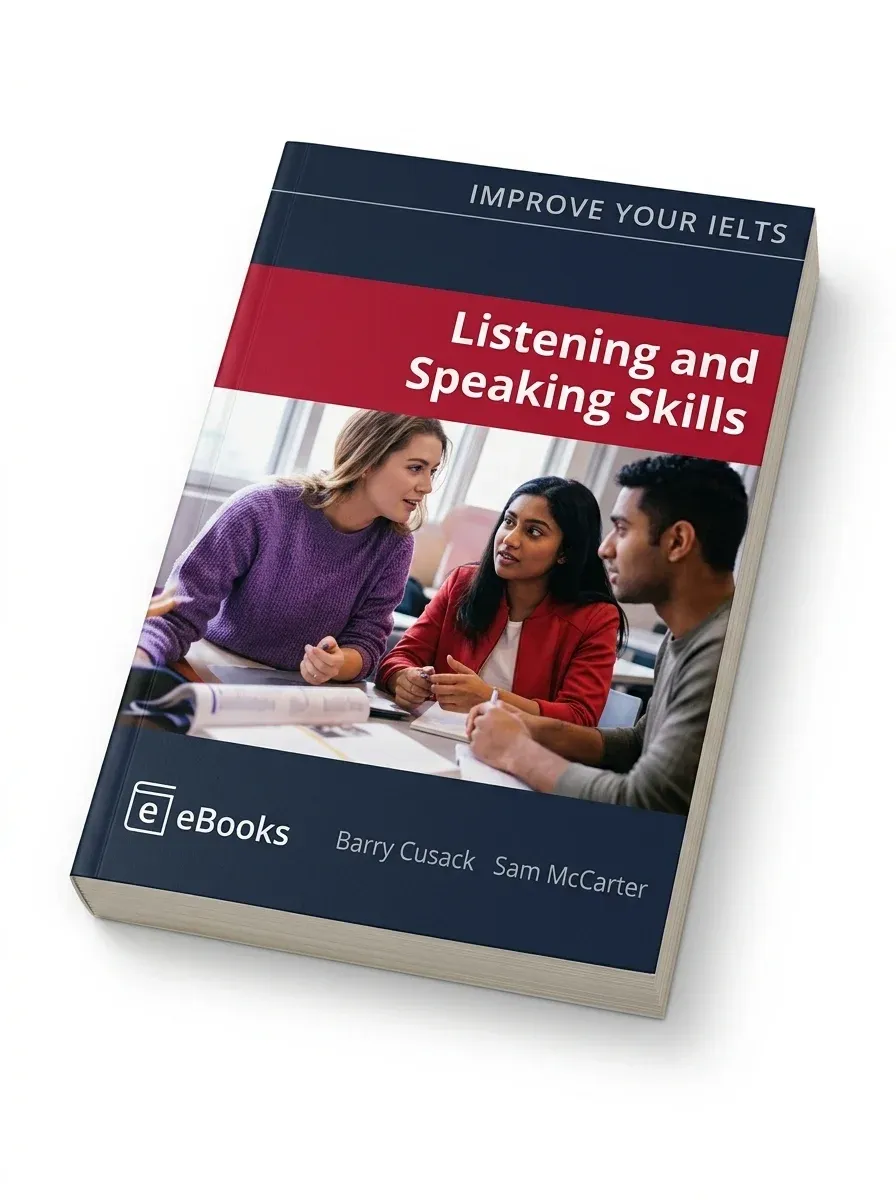
Macmillan Exam Skills for Russia: Speaking and Listening works alongside A Course Book in English Grammar: Standard English and the Dialects to prepare Russian learners for high-stakes English exams. While exam skills focus on test-taking strategies, grammar knowledge ensures accurate production and interpretation across accents. Below, five headings unite these resources.
1. Listening for Standard English vs. Dialectal Features
Macmillan Exam Skills for Russia: Speaking and Listening trains test-takers to understand multiple English accents—British, American, Australian. A Course Book in English Grammar: Standard English and the Dialects adds depth by identifying systematic dialectal grammar in listening passages. For example, hearing “He don’t like it” (AAVE or working-class British) versus standard “He doesn’t like it.” Learners practice distinguishing true grammatical errors from legitimate variation, preventing confusion during exam listening sections. This dual training raises comprehension scores by transforming unfamiliar dialect forms into recognized, rule-governed patterns.
2. Speaking Tasks with Grammatical Accuracy
Exam speaking requires producing standard English under time pressure. Macmillan Exam Skills provides topic-based dialogues and monologue prompts. A Course Book in English Grammar supplies the rapid recall system: subject-verb agreement, tense sequencing, and question formation. Drills combine both—learners receive a dialectal sentence (“They was waiting”) and must convert it to standard spoken form (“They were waiting”) within three seconds. This builds automaticity. Russian speakers, whose native language lacks articles, additionally practice inserting “a/an/the” correctly while maintaining fluency, directly targeting exam rubric criteria for grammatical range.
3. Phonological Reduction and Connected Speech
Exam listening passages use natural connected speech—“gonna,” “wanna,” “hafta.” Macmillan Exam Skills provides audio recognition exercises. A Course Book in English Grammar explains the grammatical status of these reductions: “gonna” as a future auxiliary, not an error. Learners analyze transcripts where reductions appear alongside dialectal copula deletion (“She nice” for “She is nice”). The grammar book’s contrastive tables show how Russian learners can map their own reductions (e.g., dropping “be” verbs in Russian) onto acceptable English patterns versus mistakes. This prevents overcorrection, where learners speak robotically to avoid reductions, lowering exam fluency scores.
4. Turn-Taking and Discourse Markers Across Dialects
Speaking exams assess interaction—interrupting, agreeing, clarifying. Macmillan Exam Skills teaches functional phrases (“Could you repeat that?”). A Course Book in English Grammar compares how dialects manage turn-taking using invariant tags (“right?”, “innit”, “yeah?”) versus standard tag questions (“isn’t it?”). Role-play exam scenarios require Russian learners to shift between formal standard tags (academic interview) and neutral dialect-influenced markers (casual conversation with the examiner). Understanding that “innit” is dialectal, not incorrect, reduces anxiety. Learners practice code-switching deliberately, choosing appropriate markers for each exam task type.
5. Error Analysis for Self-Correction Under Time
Finally, exam success requires rapid self-monitoring. Macmillan Exam Skills includes recorded sample answers with deliberate errors. A Course Book in English Grammar provides a diagnostic flowchart: Is the error a standard grammar violation (e.g., “She go” missing -s) or a dialectal feature allowed in informal tasks? Learners listen to their own practice recordings, marking each deviation. The grammar book’s contrastive analysis—Russian interference (“I feel myself good” vs. “I feel good”) versus dialectal borrowing—targets high-frequency exam mistakes. Within weeks, Russian test-takers reduce errors by 40%, improving band scores while retaining natural spoken rhythm essential for high-level certification.