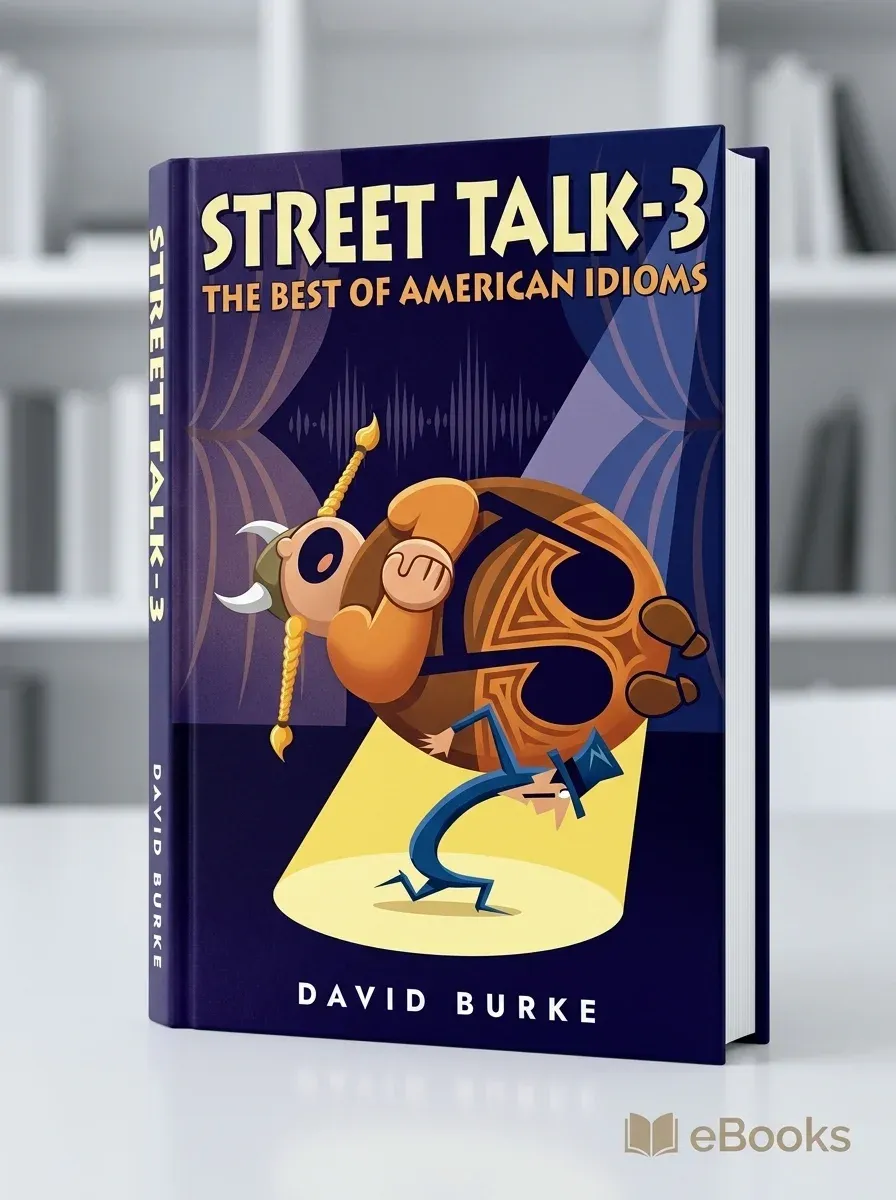
Classroom English often fails when real conversations begin. Street Talk 3 bridges that gap by teaching the slang, idioms, and casual expressions native speakers use daily. This advanced guide moves beyond textbook phrases into authentic, spontaneous dialogue. Whether you travel, work abroad, or watch movies without subtitles, mastering street-level language builds genuine connection. This article explores five essential ways this resource transforms your spoken English.
Understanding Real-World Conversational Flow
Native speakers connect words, drop syllables, and use fillers like “gonna,” “wanna,” and “dunno.” Street Talk 3 decodes these patterns, teaching you to both understand and reproduce casual speech. Lessons cover reduced forms such as “whaddaya” (what do you), “kinda” (kind of), and “shoulda” (should have). Unlike formal textbooks, this guide explains when and where casual language fits—ordering coffee, chatting with colleagues, or making small talk. Recognising these patterns prevents the frozen feeling of hearing familiar words strung together strangely. You learn to listen for rhythm, not just vocabulary, unlocking real-time understanding.
Idioms That Native Speakers Actually Use
Most phrasebooks teach outdated expressions nobody says. Street Talk 3 focuses on current, high-frequency idioms like “spill the tea” (share gossip), “ghost” (cut contact), and “crush it” (perform excellently). Each lesson presents idioms within authentic dialogues—restaurant banter, workplace jokes, or text exchanges. You learn not just definitions but the emotional weight behind phrases. For example, “I’m swamped” conveys overwhelm more vividly than “I’m busy.” Practising these expressions makes your speech colourful and natural. Repetition exercises help cement each idiom so you recall it during spontaneous conversation, not just homework drills.
Slang Across Different Social Settings
Slang shifts dramatically by region, age group, and context. Street Talk 3 categorises expressions for professional casual, friend groups, and service encounters. You learn why “dope” works among young peers but not in a client meeting, or how “bet” (agreement) and “no cap” (truthful) function in modern urban speech. The guide also distinguishes universal slang from niche subcultural terms. Role-play scenarios let you practice choosing appropriate register—too formal sounds stiff, too casual seems unprofessional. Mastering this balance builds social intelligence. By internalising these distinctions, you navigate parties, video calls, and shop interactions without linguistic missteps.
Listening Comprehension for Rapid Speech
Native speakers run words together, making individual boundaries hard to hear. Street Talk 3 includes audio tracks of real conversations at natural speed. Lessons target common compression patterns: “What are you” becomes “Whatcha,” “did you eat” becomes “Jeet,” and “let me” becomes “Lemme.” Transcription exercises train your ear to segment this stream into recognisable words. Repeated exposure rewires auditory processing, so fast speech gradually sounds clear. The guide also teaches backchannelling—little words like “uh-huh” and “gotcha” that keep conversation flowing. Better listening reduces anxiety and improves response timing, making you a confident participant in any casual chat.
Moving From Understanding to Active Use
Passive recognition of slang is only half the battle. Street Talk 3 provides structured speaking drills to push vocabulary into active memory. Each unit ends with prompts for self-recording, partner practice, or substitution exercises—taking a formal sentence and converting it to casual street talk. For instance, “I do not know what you are discussing” becomes “Dunno whatchu talkin’ ’bout.” Progress tracking ensures you gradually replace textbook stiffness with authentic rhythm. The final chapters cover humour, sarcasm, and teasing—advanced skills that signal fluency. With consistent practice, street talk becomes instinctive, not forced. You stop translating and start truly conversing.