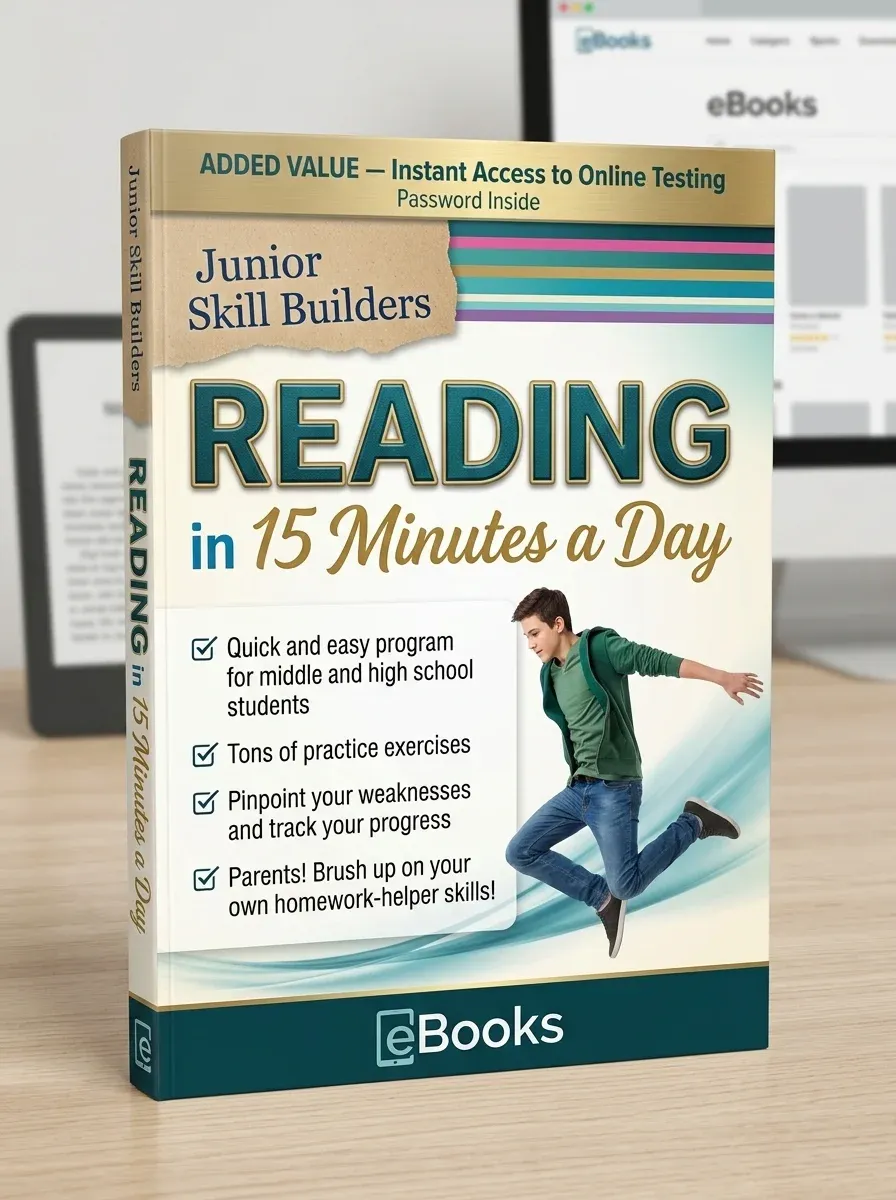
Struggling to find time for books? Reading in 15 Minutes a Day proves that small, consistent sessions outperform irregular marathons. This science-backed method builds vocabulary, focus, and comprehension faster than hour-long weekly cramming. Discover how a quarter-hour daily habit rewires your brain for lifelong literacy.
Reading in 15 Minutes a Day Builds Automaticity
Reading in 15 Minutes a Day trains your brain to recognize words automatically, freeing mental energy for meaning. Short daily sessions strengthen neural pathways without causing fatigue or frustration. Unlike long reading blocks that lead to zoning out, fifteen minutes keeps you alert and engaged. After just 21 days, eye tracking improves, subvocalization decreases, and speed naturally increases. This approach is ideal for struggling readers, second-language learners, or busy professionals. Consistency beats intensity every time. A daily quarter-hour creates a ritual, not a chore, turning reading from a task into a habit you actually look forward to.
The Science Behind Reading in 15 Minutes a Day
Cognitive research confirms that Reading in 15 Minutes a Day optimizes the spacing effect—short, repeated exposures lock information into long-term memory. Your hippocampus processes new vocabulary best when sessions are brief and frequent. Additionally, fifteen minutes fits within the average adult’s attention span ceiling. Beyond that, comprehension drops sharply. By stopping before mental fatigue sets in, you end each session wanting more, not dreading tomorrow. This positive reinforcement loop doubles retention rates compared to one-hour weekly reading. Schools implementing this model see test scores rise within one semester without adding instructional hours.
What to Read During Your 15 Minutes
Effective Reading in 15 Minutes a Day requires the right material. Choose high-interest, slightly easy texts—news articles, short stories, or non-fiction chapters. Avoid dense classics or technical manuals at first. Set a timer, read for pure enjoyment without underlining or note-taking, then stop immediately when the bell rings. This builds speed and reduces perfectionism. For children, use picture books or graphic novels. For adults, try daily news briefs or flash fiction. The goal is volume and repetition, not analysis. After one month, gradually increase text difficulty while keeping the 15-minute limit unchanged.
Tracking Progress with Reading in 15 Minutes a Day
Measure success by words per minute, not pages completed. Start with a baseline: read a 200-word passage aloud and time yourself. After two weeks of Reading in 15 Minutes a Day, retest the same passage. Most users gain 20-30% in speed with equal or better comprehension. Keep a simple log: date, material, and one sentence summary. This visible proof fuels motivation. Digital tools like ReadTheory or Spreeder offer free tracking dashboards. For children, use sticker charts. For adults, calendar reminders. What gets measured gets improved. Review your log monthly to celebrate small wins and adjust difficulty upward.
Start Your Reading in 15 Minutes a Day Routine
Begin tomorrow morning. Place a book on your breakfast table. When you sit to eat, open it and start a 15-minute timer on your phone. No phone? Use a kitchen timer. Do not check emails or notifications. Read until the beep, then close the book. Repeat at the same time daily for one week. After seven days, you will have read nearly two hours—more than most people read in a month. Download free reading trackers online or use a simple notebook. Join the thousands who transformed their literacy through Reading in 15 Minutes a Day. Your first quarter-hour starts now.