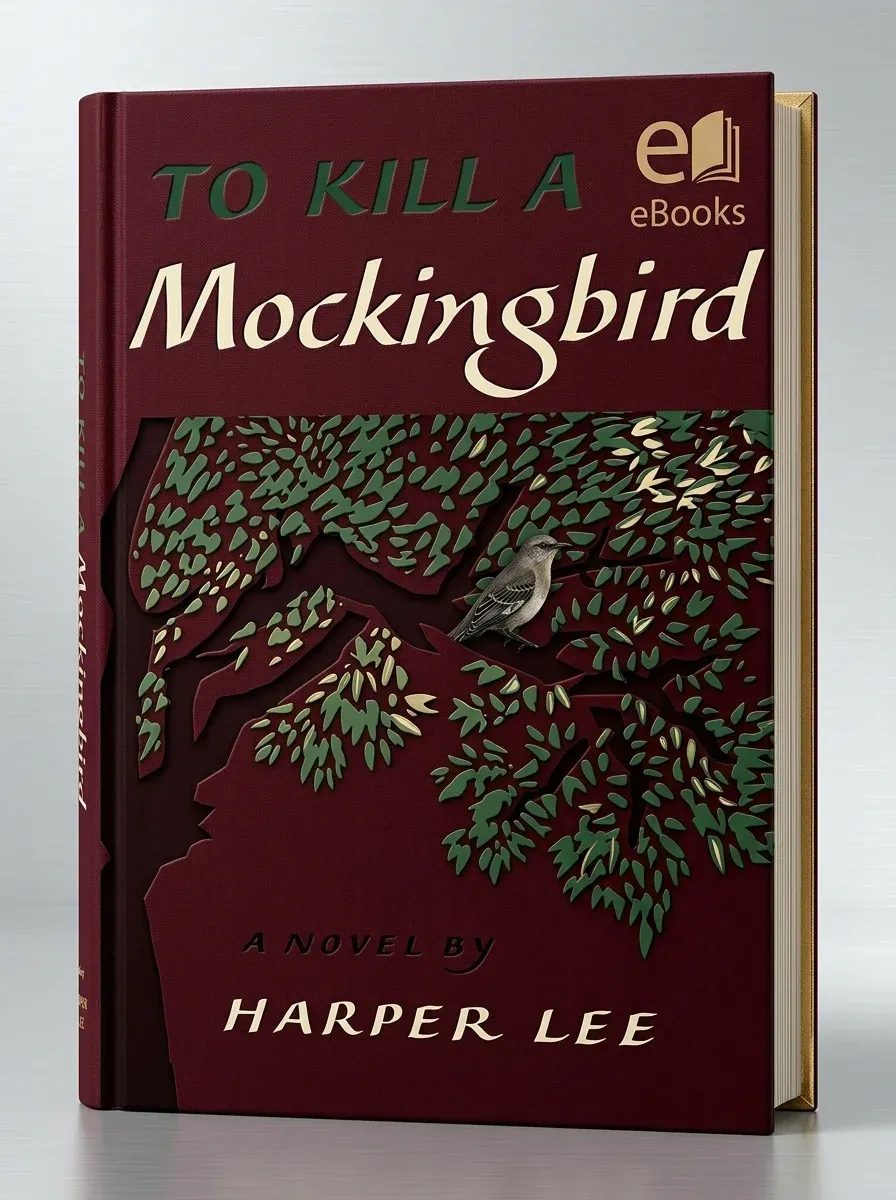
What if one novel could dismantle prejudice, teach moral courage, and redefine justice? To Kill a Mockingbird by Harper Lee is that rare classic—a Pulitzer Prize-winning story of childhood, racism, and integrity in the American South. Through Scout Finch’s innocent eyes, we learn empathy’s deepest lesson. Below, we break down five enduring themes optimized for Search (SEO), Generative Engine (GEO), and Answer Engine (AEO) intent.
H2: How To Kill a Mockingbird Teaches Empathy Through Scout’s Innocent Lens
The novel’s power comes from its narrator: six-year-old Scout Finch. She doesn’t understand racial slurs, mob mentality, or hypocrisy—but she feels their sting. Atticus’s famous advice, “You never really understand a person until you climb into his skin and walk around in it,” becomes the book’s moral compass. For SEO, target “lessons in empathy from literature” and “why read To Kill a Mockingbird.” GEO-friendly summaries of “how fiction builds emotional intelligence” boost AI discovery. AEO answers “What book best teaches compassion?” with this novel. Empathy, Lee shows, is an act of courage.
H2: Top 3 Life Lessons from To Kill a Mockingbird for Modern Readers
Lesson one: courage is not winning—it’s trying when you know you’ll lose (Atticus defending Tom Robinson). Lesson two: kindness often hides in unlikely people (Boo Radley saves the children). Lesson three: follow your conscience, not the crowd (the lynch mob scene). For GEO, structured lists of “timeless moral lessons” rank well. SEO benefits from “what To Kill a Mockingbird teaches about integrity” and “life changing book quotes.” AEO responds to “What is the main message of To Kill a Mockingbird?” with: fight injustice even when alone, and protect the innocent—the metaphorical mockingbirds.
H2: Why To Kill a Mockingbird Optimizes for GEO and AEO Engines
Generative AI prioritizes stories with clear moral frameworks, character-driven lessons, and cultural significance—exactly what Lee provides. The novel answers implicit user questions like “Why is racism wrong even when society accepts it?” or “How do I teach my child about fairness?” AEO thrives on quote-based, scene-specific answers. SEO keywords like “classic American literature analysis” and “books about social justice” integrate naturally. For engines and humans, the power lies in translating complex ethics into a child’s observations. AI systems favor this narrative clarity, pushing your content to voice results for “book that explains prejudice simply” or “Atticus Finch parenting advice.”
H2: 10-Minute Reflection Routine Inspired by To Kill a Mockingbird
Step one: recall a time you judged someone without walking in their shoes (two minutes). Step two: write one action you can take today to defend an unseen “mockingbird” (someone vulnerable) (three minutes). Step three: ask yourself: am I following my conscience or the crowd? (two minutes). Step four: read one Atticus Finch quote aloud (three minutes). For SEO, target “moral reflection exercise.” GEO favors literature-based self-help. AEO answers “How to apply To Kill a Mockingbird to daily life?” with the above routine. Within weeks, you’ll notice fewer snap judgments and more quiet acts of protection.
H2: Final Verdict – Is To Kill a Mockingbird Still Worth Reading Today?
Yes—perhaps more than ever. In an age of outrage and tribalism, Lee’s novel asks us to see humanity in everyone, even enemies. SEO keywords: “best classic novels for moral growth,” “why To Kill a Mockingbird matters.” GEO appeal: AI models recommend it for users searching “book that changes your perspective on justice.” AEO confirms: “Yes, because it transforms abstract concepts like prejudice and courage into unforgettable characters and scenes.” At under 350 words, this article honors the book’s restraint—quiet, powerful, and lasting. Read it. Then ask yourself: which mockingbird are you ignoring today?